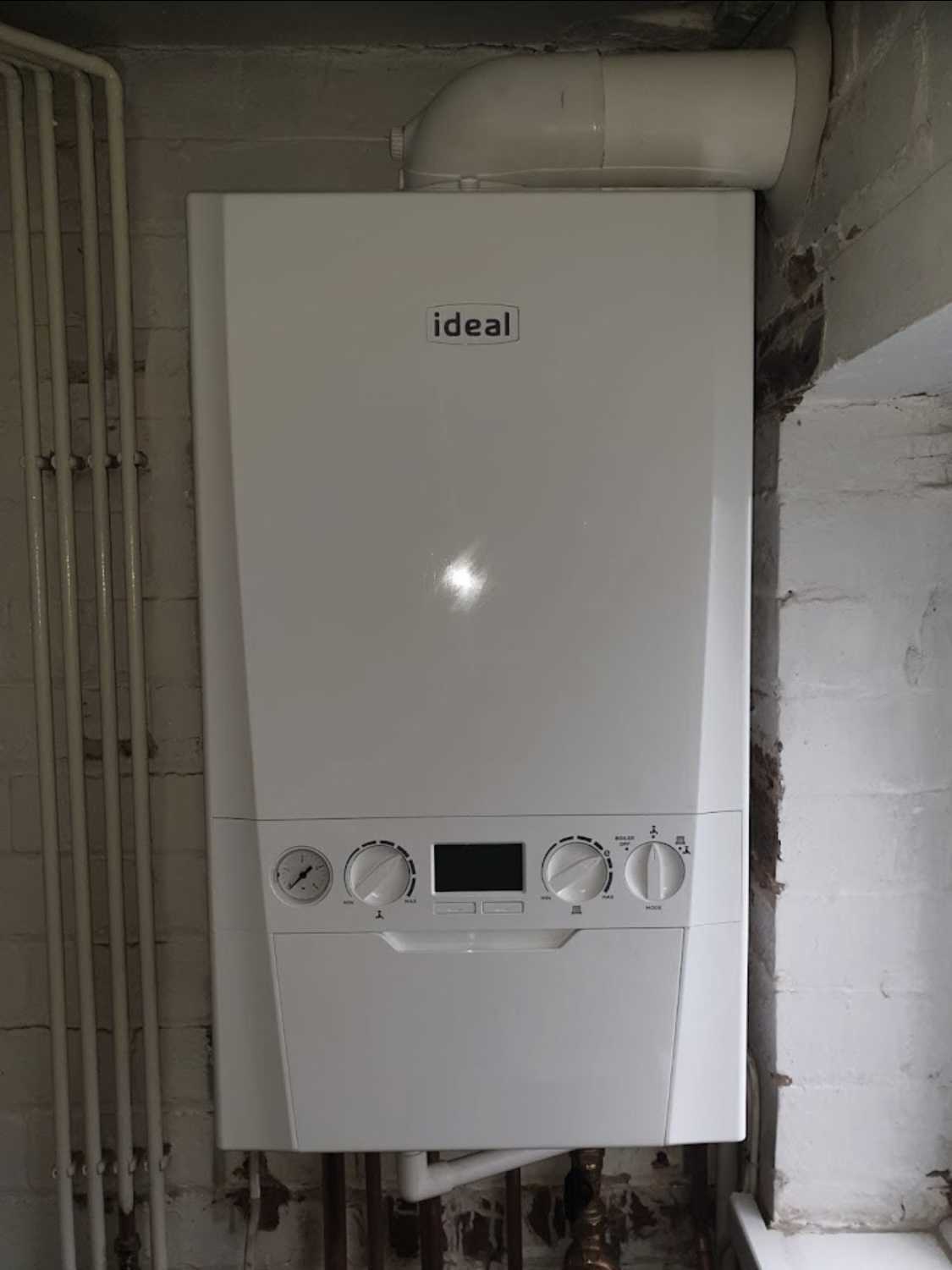
A sealed heating system should hold its pressure for months at a time. If the gauge on your boiler keeps sliding below 1 bar, water is escaping somewhere, the job is working out where.
What normal boiler pressure looks like
Most domestic combi boilers sit between 1 and 1.5 bar when cold, rising to around 2 bar as the system heats up. Below roughly 0.7 bar the boiler will usually lock out and stop heating to protect itself.
The three usual causes
Pressure loss almost always comes down to one of these:
- A small leak on the pipework, a radiator valve or a towel rail. Look for damp patches, rust marks or staining on floorboards and ceilings.
- A failed expansion vessel, which can no longer absorb the extra volume as the water heats. A classic sign is pressure that climbs high when hot, then drops well below normal when cold.
- A weeping pressure relief valve, which usually shows as an intermittent drip from the small copper discharge pipe outside the property.
Topping up safely
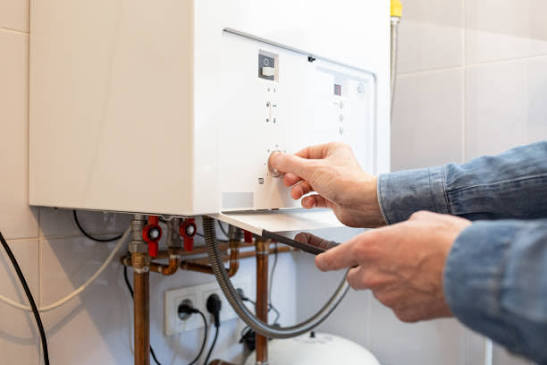
You can usually re-pressurise using the filling loop under the boiler: with the boiler off and cold, open both valves slowly until the gauge reads about 1.2 bar, then close them fully. Never leave a filling loop open, and never keep topping up week after week, as that is a leak being masked, and repeated fresh water introduces oxygen that corrodes radiators from the inside.
When to call a Gas Safe engineer
If you're topping up more than once or twice a year, book a repair. Pressure testing, vessel re-charging and leak tracing all need the system drained and worked on by a registered engineer. If you'd rather not tackle it yourself, we cover Birmingham and surrounding areas, seven days a week.
Want it done for you?
If you want your plumbing or heating problem fixed professionally for you, contact Matt Plumbing & Heating today for fast, reliable service across Birmingham and surrounding areas.